Romanian Hospitals Targeted by Ransomware Attack
A major ransomware attack has crippled over a hundred Romanian healthcare facilities, with cybercriminals demanding ransom in Bitcoin to release encrypted files.

 February 14, 2024


Overview of the Cyberattack
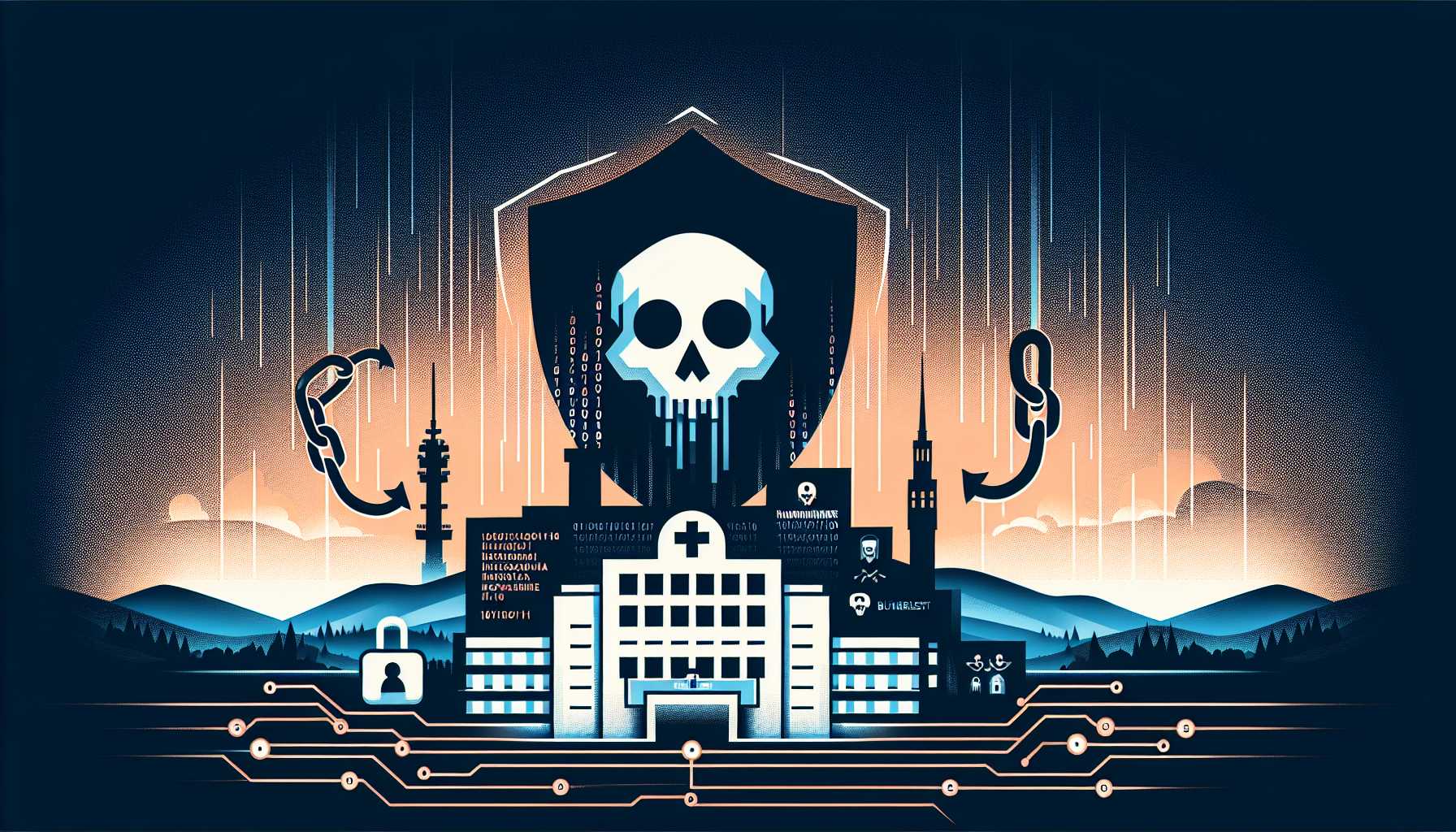
In a significant cyberattack, numerous Romanian healthcare facilities have been held hostage by ransomware, causing considerable disruption to medical operations and patient care. The attack incapacitated a crucial medical information system, bringing facilities to a standstill and forcing staff to revert to analog methods for data recording. However, recent data backups and a prompt response from Romanian cyber authorities have mitigated the attack's severity.
Ripple Effects and Consequences
Ransom demands have been made amounting to a sizable sum to decrypt vital encrypted files. The assault first hit Pitesti Paediatric Hospital, further spreading to 25 other medical institutions and sparking additional offline moves to protect against potential threats. With investigations ongoing, a vast number of healthcare facilities remain cautious, disconnecting from the internet to avoid risks associated with such intrusions.
Wider Implications and Context
This ransomware strike mirrors previous attacks like the one experienced by the UK's healthcare system in 2017, underscoring the urgency for robust cyber defense strategies. Cryptocurrency, particularly Bitcoin, is frequently specified for ransom payments, indicating the intersection of cybercrime and crypto. While the Romanian attack's perpetrators remain elusive, the broader cyberthreat landscape stresses the necessity for formidable cybersecurity practices to defend essential services and sensitive data.


Subscribe to get the latest Crypto Updates
Sign up to receive regular updates packed with exciting news and exclusive insights into upcoming crypto projects.